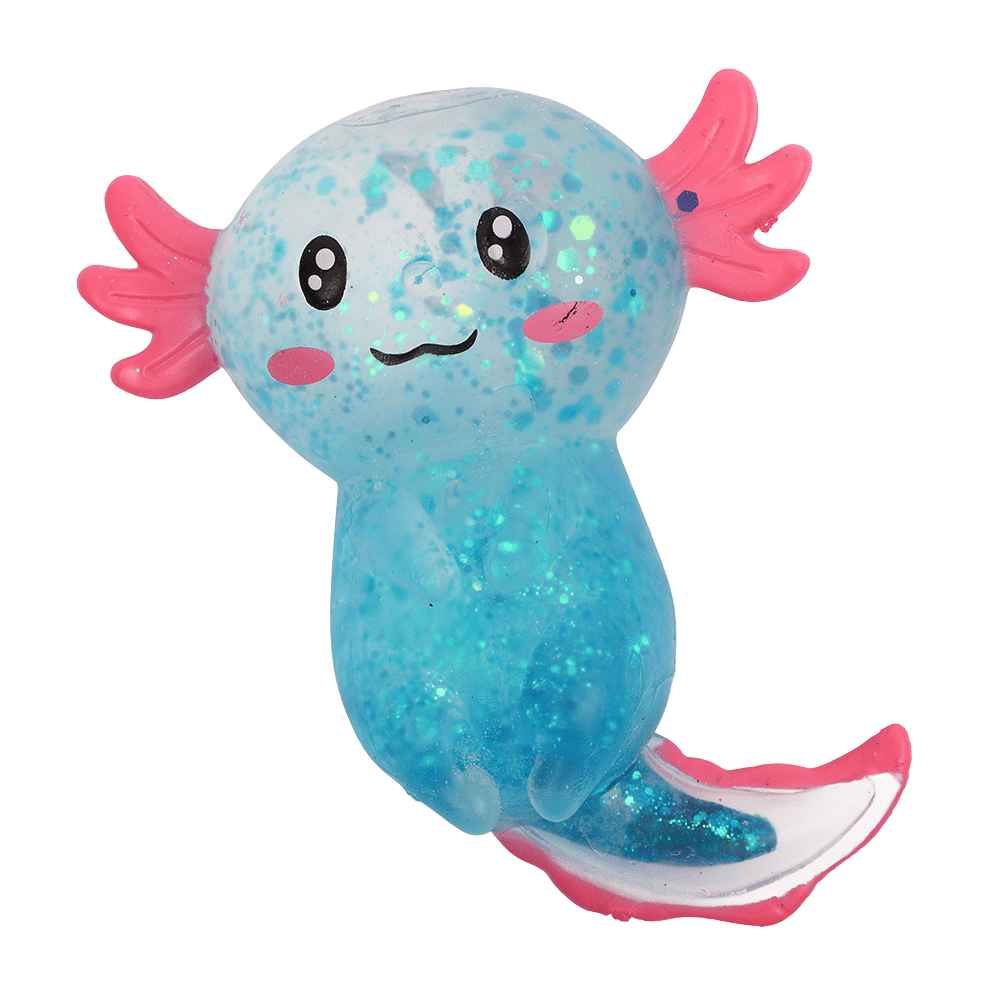
Axolotls are salamanders that spend their whole lives underwater. They look a little like smiling dragons, with feathery gills on the sides of their heads. These unusual amphibians come from Mexico, and wild axolotls now live in only one small area.
This guide explains axolotl facts for kids in simple language, including what an axolotl is, why it keeps its baby-like features, what it eats and why the species needs protection. The facts are based on information reported by National Geographic Kids, Deep Sea World and the IUCN Red List.
Written by: [AUTHOR NAME, role, relevant background]
Last updated: [DATE]
Key takeaways
- An axolotl is an amphibian and a type of salamander, not a fish.
- It can keep its feathery external gills and other young-looking features throughout its life.
- Wild axolotls come from the lake and canal areas around Xochimilco in Mexico City.
- Axolotls can be different colours, but colour varieties in shops are not the same as wild populations.
- The wild species is classed as Critically Endangered by the IUCN Red List.
What is an axolotl?
An axolotl is an amphibian in the salamander family. Frogs, toads, newts and salamanders are all amphibians, although they do not all live in the same way. Unlike many amphibians, an axolotl stays in water instead of changing into a land-living adult.
You may hear axolotls called “walking fish”, but that name is misleading. They have legs and lungs, and their bodies are built like those of salamanders. They can use gills to take oxygen from water, while they can also come to the surface to breathe air.
The word “axolotl” is often pronounced “ACK-suh-LAH-tuhl”. Its scientific name is Ambystoma mexicanum. The species is associated with Mexico, where its wild habitat has become much smaller than it once was.
Why do axolotls look like baby salamanders?
Most salamanders begin life in water. As they grow, many develop into adults that spend at least some of their time on land. Axolotls are different because they usually keep their larval, or young, form instead of completing that change.
This ability is called neoteny. It means an axolotl can become mature and reproduce while still keeping features that look young, including its external gills and fin running along its back and tail.
That explains one of the strangest things about axolotls: they can be adults without looking like the adult salamanders you might see in a woodland pond. Their feathery gills are not horns or hair. They are body parts that help the axolotl take oxygen from the water.
Where do wild axolotls live?
Wild axolotls are native to the Xochimilco area of Mexico City. The area includes canals and wetland habitat, rather than a large natural lake stretching across the whole region. National Geographic Kids describes axolotls as living in the wild in only one place, while Deep Sea World identifies Xochimilco as their remaining wild home.
Water quality and habitat loss are major concerns for a species that has such a small wild range. Introduced fish can also create problems by competing with axolotls or eating young animals. The IUCN Red List lists the axolotl as Critically Endangered.
Critically Endangered is a conservation category, not a description of how the animal looks. It means the wild species faces a very high risk of extinction. Many axolotls kept in aquariums or shown in photographs are captive-bred animals, so seeing one online does not mean wild populations are secure.
How do axolotls breathe?
An axolotl’s most recognisable feature is the three feathery branches on each side of its head. These are external gills. Water passes around the delicate filaments, allowing oxygen to move into the animal’s body.
Axolotls also have lungs. You may see one rise to the water’s surface and gulp air, particularly when it needs extra oxygen. Its skin can also play a part in gas exchange, although its feathery gills are the feature most people notice first.
The gills are delicate, so an axolotl is not a toy or a decoration. A real animal needs suitable water, food and specialist care. If you are wondering about keeping one as a pet in the UK, check current welfare guidance and any relevant rules before making a decision. [VERIFY: UK ownership, licensing and current welfare requirements]
What do axolotls eat?
Axolotls are carnivorous, which means they eat other animals rather than plants as their main food. Food can include small aquatic creatures and other suitable prey, depending on the animal’s size and the environment where it lives.
They do not chew food in the same way people do. An axolotl can use suction to pull food into its mouth, which creates a quick gulp. This is one reason you should never put fingers or small objects near a real animal’s mouth.
Pet axolotls need a diet chosen for their species and age. The correct food, water conditions and tank arrangement are care questions rather than simple fun facts, so a future keeper should use advice from a qualified exotic-animal veterinary professional or an established amphibian welfare organisation.
What colours can axolotls be?
Wild axolotls are usually dark and mottled, helping them blend into their natural surroundings. Axolotls bred in captivity can have a wider range of colours and patterns, including pale pink, white, golden and dark shades.
Some pale axolotls have visible red or pink gills, which is why pink axolotls are often used in drawings, toys and clothing. Colour names can vary between breeders and shops, so a colour label does not always tell you everything about an animal’s genetics.
A plushie or picture may use a bright colour that does not closely match a wild axolotl. That is fine for a gift or a character design, but it helps to separate merchandise colours from real axolotl colour varieties.
Can axolotls regrow body parts?
Axolotls are well known for their ability to regenerate, meaning they can regrow some damaged or lost body parts. This is one of the scientific features that makes them interesting to researchers.
Regeneration is not the same as being impossible to hurt. A real axolotl can still become ill, injured or stressed, and a regrown body part may not mean the animal has avoided suffering. It is also not a reason to handle or disturb an animal.
When people talk about axolotl regeneration, they may mention limbs, parts of the tail or other tissues. The exact details depend on the body part and the research being discussed, so children’s books and classroom activities should use information from a reputable museum, university or zoological source.
How are axolotls different from other salamanders?
The biggest difference is their life cycle. Many salamanders change shape as they grow and may move between water and land. Axolotls usually remain aquatic and keep their external gills, finned tail and young-looking appearance.
They are also different from the newts you might see in a UK pond. A newt is another kind of salamander, but it has its own body shape, habitat and life cycle. An axolotl is not a UK native animal, even though it is now familiar in British classrooms, pet discussions and gift shops.
Both animals are amphibians, so they share some broad features. Their skin is soft and permeable, they depend on moisture and they are sensitive to changes in their surroundings. The details of care are different, so advice for a UK newt should not automatically be used for an axolotl.
How can you share axolotl facts with a child?
A simple way to make the subject memorable is to pair each fact with a clear picture or comparison. For example, you could point out the gills, draw the canal habitat in Xochimilco or make a labelled diagram showing that an axolotl is a salamander rather than a fish.
For a birthday or classroom-themed gift, an axolotl plush can show the animal’s shape without involving a live pet. Our 5-inch Pocketkins axolotl plush is a compact bean-filled plush that sits in a hand. A larger option, such as the 10.8-inch pink axolotl plush, gives a child more of the long body and wide head shape to look at.
If the gift is for a younger child, read the manufacturer’s age labelling and check the UKCA or CE marking on the product. Small parts, seams, loose filling and detachable details need particular care, and adult supervision is sensible for younger children. A soft toy is not automatically suitable for every age.
Axolotl facts to remember
| Question | Short answer |
|---|---|
| Is an axolotl a fish? | No. It is an amphibian and a type of salamander. |
| Where are wild axolotls from? | The Xochimilco area of Mexico City. |
| Why does it have outside gills? | Its feathery gills help it take oxygen from water. |
| Does it change into a land salamander? | Usually not. It keeps its aquatic, larval form through neoteny. |
| Can axolotls be different colours? | Yes. Captive-bred axolotls can have several colours and patterns. |
| Are wild axolotls safe from extinction? | No. The IUCN Red List classifies the species as Critically Endangered. |
Frequently asked questions
Are axolotls fish or amphibians?
Axolotls are amphibians, not fish. They are a type of salamander. Their aquatic lifestyle and external gills can make them look fish-like, but they have legs, lungs and a salamander body plan. They usually stay in water because they keep their larval form instead of changing into a land-living adult.
Why do axolotls have gills outside their bodies?
The feathery structures on each side of an axolotl’s head are external gills. They help the animal take oxygen from water. Axolotls also have lungs and may rise to the surface for air. The gills are delicate body parts, not decorative frills or hair.
Where do axolotls live in the wild?
Wild axolotls come from the Xochimilco area of Mexico City. Their natural range is now very small, made up of canals and wetland habitat. Habitat changes, water quality problems and introduced fish are among the conservation concerns linked with this unusual salamander.
Why do axolotls look like babies?
Axolotls show a life-cycle feature called neoteny. They can become mature while keeping larval traits such as external gills and an aquatic lifestyle. That is why an adult axolotl can look like a young salamander rather than changing into the more familiar land-going form.
Are axolotls endangered?
Yes. The IUCN Red List classifies the axolotl as Critically Endangered in the wild. Captive axolotls are much more familiar than wild ones, but that does not mean the natural population is secure. Protecting wetland habitat and improving water quality are important conservation concerns.
A small next step for curious axolotl fans
Now you can explain the key differences: an axolotl is a salamander, it lives in water, it keeps its feathery gills and its wild home is in Mexico. Those four points are enough to start a good school project or family conversation.
If you are choosing a non-living gift, you can browse the axolotl plushies and match the size and materials to the recipient’s age. For current product details, age labelling and shop questions, check the Axolotl Store UK FAQ before ordering.